If you are shopping for acreage or a hobby farm in Osage County, the land can look simple at first glance and get much more complex once you dig in. A pretty tract with open ground, a creek, and a barn may still raise questions about access, floodplain permits, well water, septic feasibility, or fence lines. The good news is that you can spot many of those issues before you make an offer if you know where to look. Let’s dive in.
Why Osage County acreage needs a closer look
Osage County covers about 606 square miles and sits in a rural part of Missouri with gently rolling hills, deep valleys, and plateaus. Communities in the county include Argyle, Chamois, Freeburg, Linn, Meta, and Westphalia, along with unincorporated places like Bonnots Mill, Koeltztown, and Loose Creek. That varied landscape is a big part of the appeal, but it also means one tract can be very different from the next.
In practical terms, rural land here is not just about the acre count. Roads do not tend to follow neat section lines, so frontage, driveway layout, and emergency access can matter just as much as the size of the parcel. When you are buying for animals, a future home site, or weekend use, those details can shape how usable the property really is.
Start with access and address setup
One of the first things to verify on any Osage County tract is how the property is reached. The county uses an interval-based addressing system with 500 addresses per mile, and county roads are numbered. That may sound technical, but it matters when you are trying to confirm where a property begins, how it is identified, and how emergency services would find it.
Private roads deserve extra attention. In Osage County, a private road is generally a lane or drive with two or more residences or one that is one-quarter mile or longer. If a driveway is shorter than that, the address is normally tied to the main highway or county road.
For buyers, that means you should look beyond the listing description and ask clear questions about recorded access, driveway location, and how the 911 address is assigned. The county 911 office maintains GIS and mapping resources, which can help you understand location and access before you move forward.
Check floodplain status before anything else
For acreage and hobby farm buyers in Osage County, floodplain review should be near the top of your list. The county participates in the National Flood Insurance Program and has a floodplain management ordinance in place. It also requires permits before development in the floodplain.
That requirement can apply to much more than a house. According to county materials, permits may be needed for buildings, accessory structures, agricultural structures, manufactured homes, RV parking and storage, roads, bridges, culverts, grading, excavation, mining, dredging, and stream alteration.
This is why floodplain status matters even on land that does not look riverfront. The county notes that a parcel can be in the floodplain even if it is not obviously next to a river. Violations can also carry fines of up to $300 per day, so this is not something to leave for later in the process.
Understand wells and water service
Many buyers assume water is already handled if a property has road frontage or sits near a community. In Osage County, that can be a costly assumption. A county hazard mitigation plan states that participating communities in the county use well water as their primary source of water, so public water should never be assumed.
If a well already exists, ask about its condition, age, and available records. If you may need a new well, Missouri requires licensed or permitted contractors for water wells. The state also provides well record tools that can help with planning, which is useful when you are trying to understand nearby drilling history and general feasibility.
Water quality is another piece of the puzzle. The Osage County Health Department recommends private well testing at least once a year and after repairs, and it offers testing for bacteria and several common chemical indicators. That makes water testing an important due diligence item, especially if you plan to live on the property full time.
Confirm septic and wastewater feasibility
A beautiful building site is only part of the story if the lot cannot support the wastewater system you need. Missouri’s Department of Health and Senior Services says a construction permit is required before installing or repairing most onsite wastewater treatment systems. Work should not begin until a permit is issued or an exemption is confirmed.
Some single-family residential lots may be exempt, but you should not assume that applies to your tract. The Osage County Health Department directs buyers back to the state process for onsite sewage permits. In short, septic planning is something to verify early, not after you have already committed to the property.
This is one reason soil conditions matter so much on acreage. The answer is not only whether the land is scenic or mostly open. You also need to know whether the site is suitable for the type of system your plans would require.
Use soils and slope to judge usability
Not every acre contributes the same value to your plans. Some areas may work well for a homesite, pasture, garden, or small outbuilding, while others may be limited by slope, seepage, flooding, erosion, shallow bedrock, or poor septic suitability.
The public starting point for this review is the NRCS Web Soil Survey. Missouri Extension guidance explains that soil surveys can help evaluate flooding, foundation stability, erosion, septic suitability, road and utility construction, load-bearing capacity, and depth to bedrock.
For Osage County buyers, this can prevent expensive surprises. A tract may have plenty of acreage on paper, but only part of it may be practical for building or daily use. That is especially true in a county shaped by hills, valleys, streams, and changing topography.
Look closely at fences and boundaries
Fence lines often seem straightforward until a buyer starts asking where the true boundary sits and who has been maintaining the fence. In Missouri, fence law can vary by county, and Osage County appears to follow the general fence law rather than the local-option version.
Under that framework, a landowner without livestock is not required to contribute to a division fence unless they later place livestock against it. Written fence agreements can also be recorded with the county recorder of deeds. For acreage buyers, that means old fences should not automatically be treated as proof of a legal boundary arrangement.
Boundary questions can become more serious when an old fence has been rebuilt or moved over time. Missouri Extension also notes that adverse possession can become an issue after 10 years of qualifying possession. If fencing is a key part of the property’s value to you, it is worth reviewing carefully before closing.
Remember that outbuildings may still need review
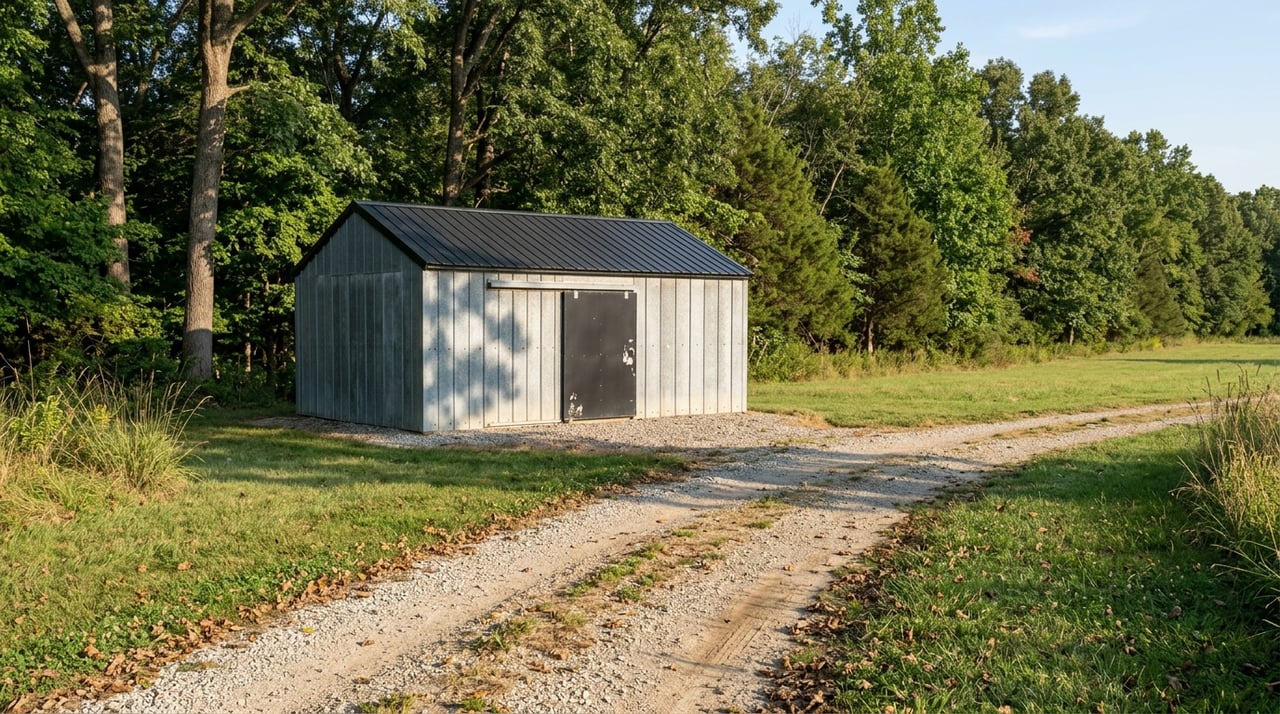
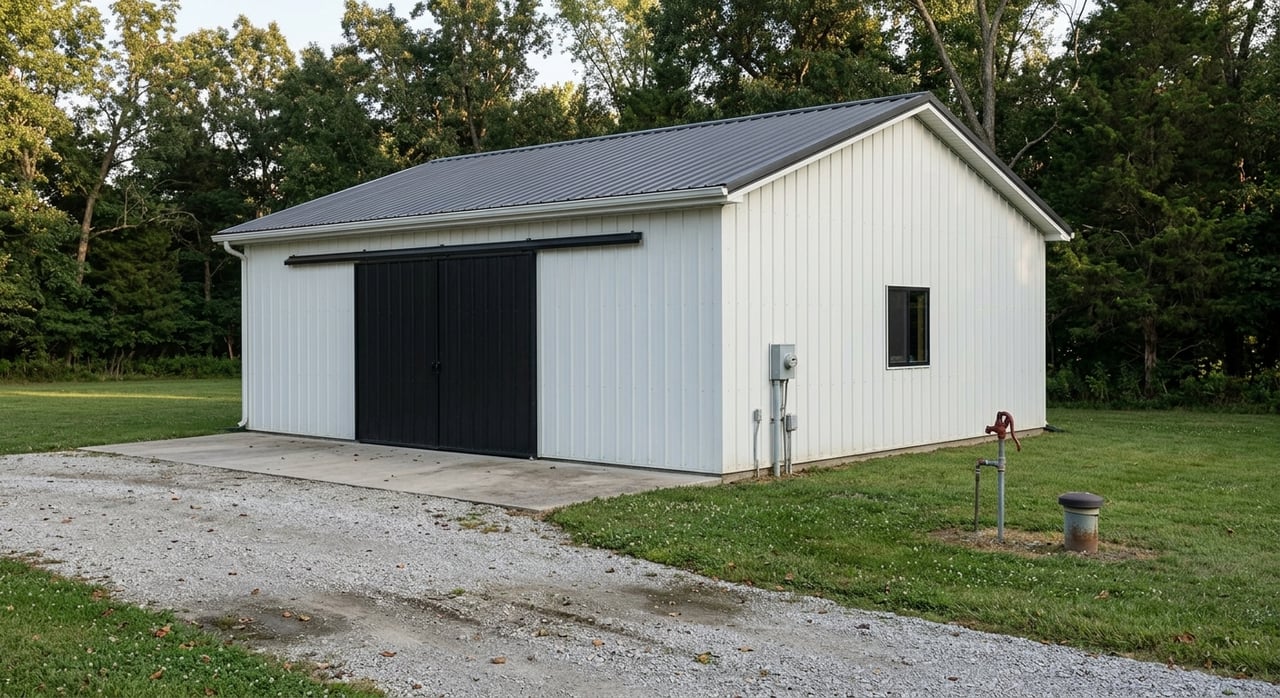
Many hobby farm buyers focus on a future barn, shed, run-in shelter, or equipment building. That is reasonable, but small agricultural structures are not always as simple as they seem. In Osage County, accessory and agricultural structures are included in floodplain permit requirements when they are located in a regulated floodplain.
The same general warning applies to related site work such as culverts, grading, or changes near streams. If you are buying land for a modest horse setup, a few animals, or workshop space, make sure your plans match the site conditions and county rules. A smaller project can still trigger review depending on where it sits.
A practical Osage County due diligence checklist
If you want a simple way to review a tract before making an offer, follow this order:
- Verify floodplain status using official map resources and county floodplain information.
- Review soils, slope, and drainage to see which areas are more usable.
- Confirm well planning and whether an existing well has records or testing results.
- Check septic feasibility and whether a permit or exemption would apply.
- Study access and addressing including frontage, driveway layout, and private road status.
- Look at fences and boundaries instead of assuming they match the legal lines.
- Match your outbuilding plans to the site especially if any part of the tract lies in a floodplain.
This sequence works well in Osage County because it addresses the issues that can most affect how you use the land. It can also help you compare one property to another in a more objective way.
How local guidance helps you buy smarter
Acreage and hobby farm purchases usually come with more moving parts than a standard in-town home purchase. You are not just evaluating bedrooms and finishes. You are looking at terrain, access, utilities, drainage, site limitations, and how your plans fit the property.
That is where local experience matters. When you work with a team that understands land transactions across Mid-Missouri, you are more likely to catch the practical issues early and keep your search focused on properties that actually fit your goals.
If you are thinking about buying acreage or a hobby farm in Osage County, HD Real Estate can help you evaluate the details that matter and move forward with confidence.
FAQs
What should acreage buyers check first in Osage County?
- Floodplain status should be one of the first items you verify because it can affect building plans, outbuildings, grading, roads, culverts, and other improvements.
Do hobby farms in Osage County usually have public water?
- Not always. County planning materials say participating communities in Osage County use well water as their primary source of water, so you should not assume public water is available.
Do I need a permit for a septic system in Osage County?
- In most cases, Missouri requires a construction permit before installing or repairing an onsite wastewater treatment system, and work should not begin until a permit is issued or an exemption is confirmed.
Can a small barn or shed require floodplain review in Osage County?
- Yes. County floodplain materials say accessory structures and agricultural structures can fall under floodplain permit requirements if they are in a regulated floodplain.
How can buyers evaluate soil and building suitability on Osage County land?
- Soil survey tools can help you review flooding, erosion, foundation stability, septic suitability, road construction concerns, load-bearing capacity, and depth to bedrock before you commit to a tract.
Do existing fences always show the true boundary on Osage County acreage?
- No. Older fence lines may not fully answer boundary or maintenance questions, so buyers should review fence locations, recorded agreements, and legal access details carefully.