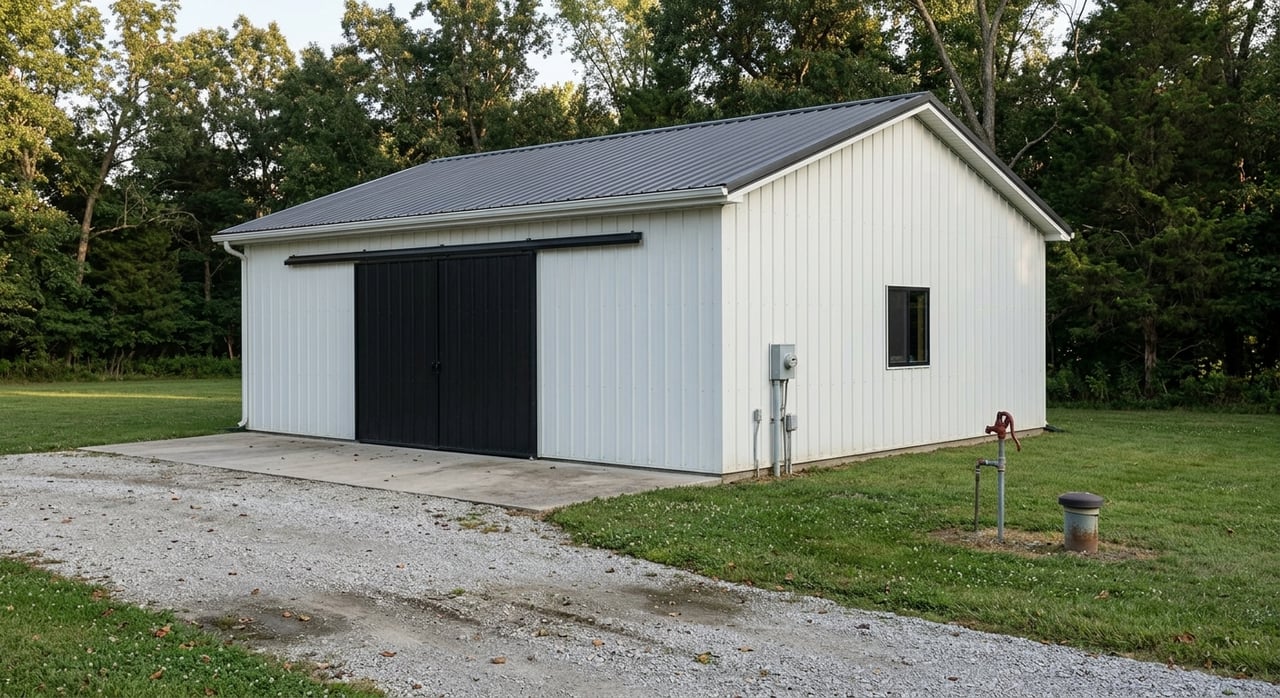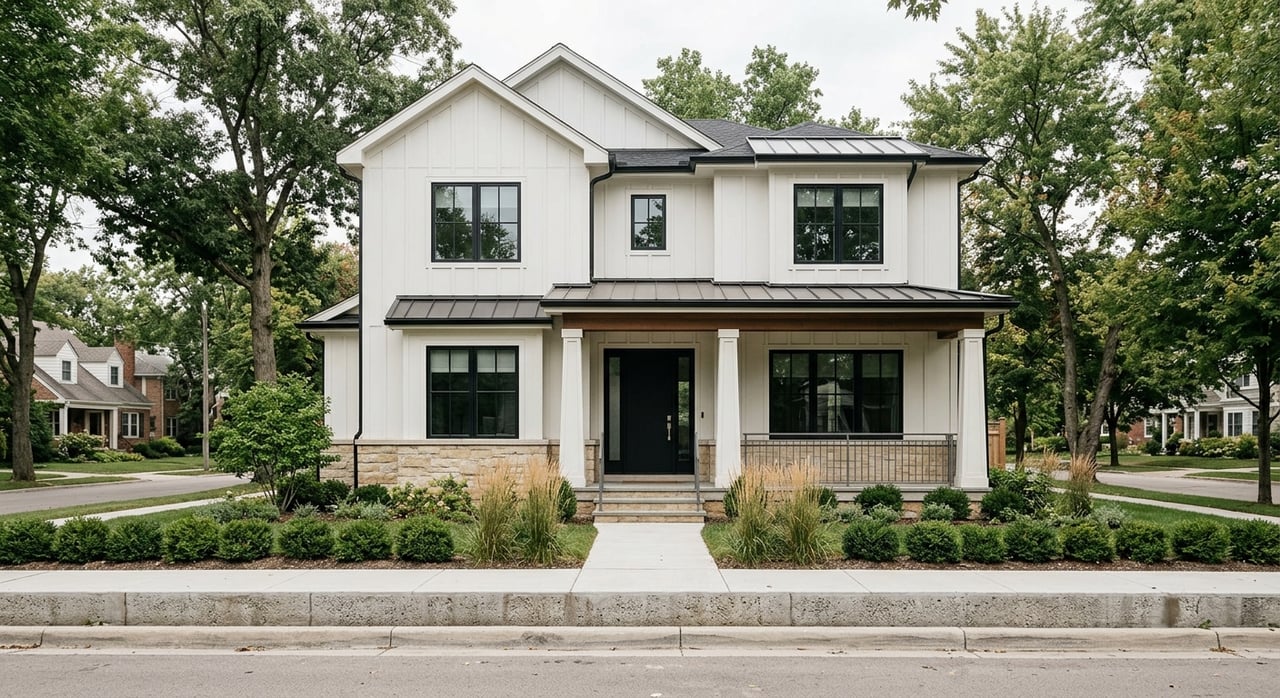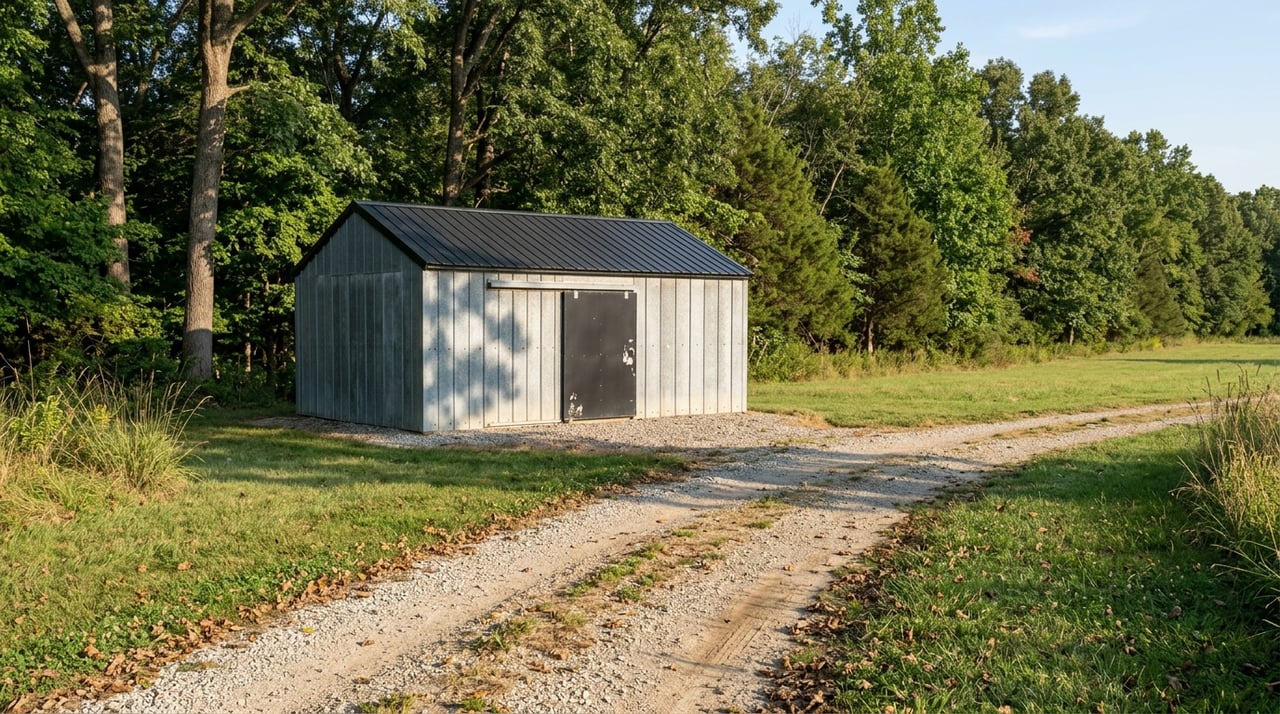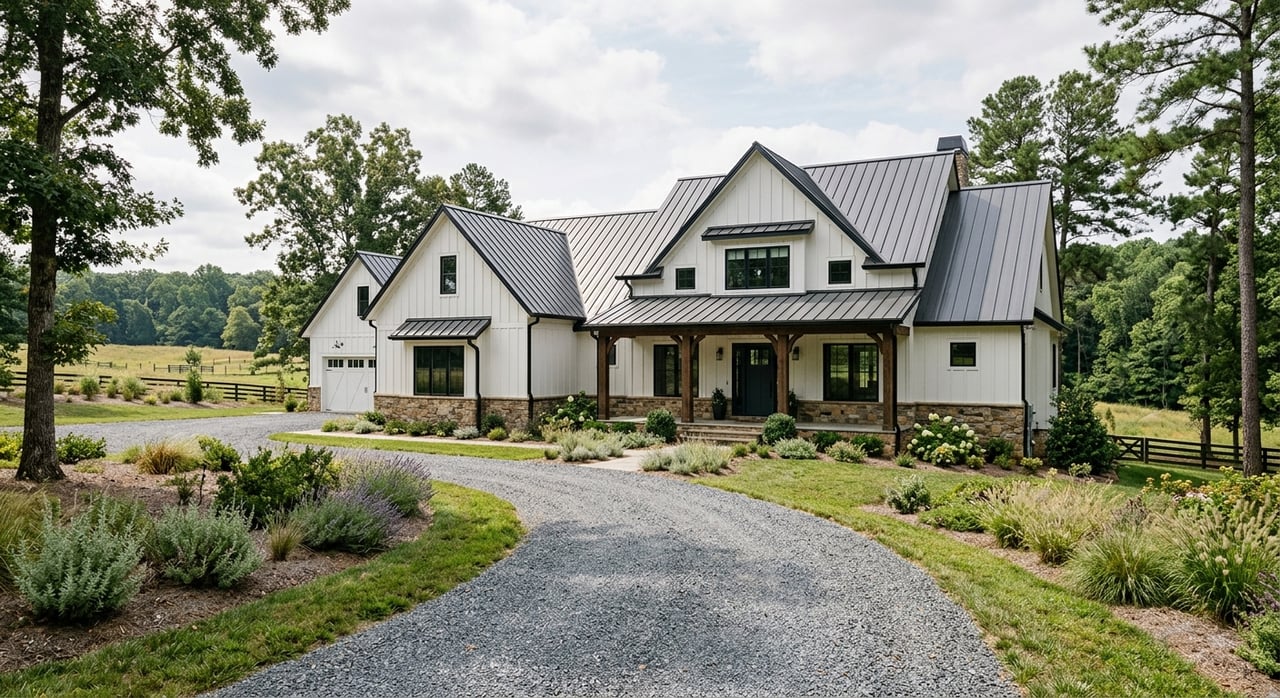
Thinking about building on your own land in Phelps County? It can be an exciting path, but it also comes with a few local steps that can make or break your timeline. If you understand the order of approvals, access rules, and utility questions before you close or break ground, you can avoid costly surprises. Let’s walk through what matters most in 65401 so you can move forward with more confidence.
Start With Jurisdiction
The first question is simple: is your land inside Rolla city limits or in unincorporated Phelps County? That answer changes which rules apply to your build.
If your property is inside Rolla, the city requires building permits for residential and commercial construction, demolition, and related electrical, mechanical, and plumbing work. The city also states that contractors must have a valid city business license before permits are issued, according to the City of Rolla Building Permits and Inspections page.
If your land is in unincorporated Phelps County, the process is different. The Meramec Regional Planning Commission notes that Phelps County does not have a building codes program that requires a permit, though floodplain rules may still apply, as explained on the Phelps County floodplain information page.
That is why your first move should be confirming exactly where the parcel sits. A property can have a Rolla mailing address and still fall outside city limits, so it helps to verify jurisdiction before you plan your build budget or timeline.
Review Land Records Early
Before you close on land, take time to review the records attached to that parcel. This is where you can spot issues that may affect where you build, how you access the property, or what utility work may be needed.
Key items to review include:
- The deed
- The recorded plat
- Easements
- Any recorded restrictions
The Phelps County Recorder of Deeds is the county custodian for land records and land transactions. For buyers building on acreage or a rural tract, these records can help confirm boundary layout, access points, and whether there are any recorded limitations that affect your plans.
Check Floodplain Status Before Site Work
If your land is near a creek, drainageway, or low-lying area, floodplain review should happen very early. This is one of the biggest issues that can delay site prep if you assume the property is build-ready without checking first.
Phelps County participates in the National Flood Insurance Program, and the Meramec Regional Planning Commission serves as the county’s floodplain administrator. MRPC states that a floodplain development permit may be needed before new construction or substantial improvements in a floodplain. You can review that guidance on the Phelps County floodplain page.
Even if only part of the parcel is affected, the floodplain can still influence where you place the house, driveway, grading, and drainage. For that reason, floodplain review should come before major site design decisions.
Resolve Septic Plans Early
For many rural builds, septic is one of the first practical hurdles. If public sewer is not available, you need to know whether the lot is exempt or whether the project will require an approved onsite wastewater solution.
The Phelps/Maries County Health Department states that it stopped issuing onsite wastewater treatment system construction permits in Phelps County beginning October 1, 2024. Missouri guidance also states that work should not begin until a permit has been issued or an exemption has been confirmed, as outlined in the Missouri DHSS onsite permit process.
For most buyers, the important takeaway is this: do not assume a rural lot is ready for a standard septic system. Ask early whether:
- Public sewer is available
- The lot qualifies for an exemption
- The project needs a permitted onsite wastewater system
- Additional state review may be required
The Missouri Department of Health and Senior Services says its rules cover single-family residential systems and onsite or cluster systems treating 3,000 gallons per day or less. That makes septic planning a key part of due diligence for anyone building outside town.
Plan for Well Water the Right Way
If the home will use a private well, you will also want clarity on well construction requirements before construction starts. Water access is a core part of whether a land purchase works for your build.
According to the Missouri Department of Natural Resources, private wells must comply with state well construction rules. DNR also says hired well drillers and pump installers must be permitted, and the well report must be filed within 60 days of completion.
DNR recommends:
- Annual bacteriological testing
- Heavy-metal testing every three years
The Phelps/Maries County Health Department provides private water sample kits, though it notes those are not the official tests used to secure a home loan. If you are buying land and planning a well, it helps to discuss both drilling logistics and future water testing early in the process.
Confirm Driveway and Road Access
A beautiful piece of land is not enough by itself. You also need legal and practical access, plus approval for the driveway setup.
Phelps County’s road specifications state that a driveway culvert must be at least 15 inches in diameter, and the culvert’s design and location must be approved by the county highway superintendent before construction. If the property fronts a state highway or any Missouri Department of Transportation right-of-way, MoDOT requires a permit for driveway construction or driveway changes, based on the county’s road specifications page.
This step matters because driveway placement can affect grading, drainage, and your final house site. It is much easier to solve access questions before your site plan is finalized than after equipment is scheduled.
Understand Your Financing Options
Many buyers do not just need land. They need a plan for both the land purchase and the build itself. In most cases, that means looking at construction financing before you buy the parcel or sign a building contract.
The Consumer Financial Protection Bureau explains that both construction-only loans and construction-to-permanent loans are common structures, and construction-to-permanent financing can roll interim construction financing into a long-term mortgage. You can review those loan structures through the CFPB mortgage disclosure guidance.
USDA financing may also be worth checking for eligible rural properties. The USDA Single Family Housing Guaranteed Loan Program states that approved lenders can offer up to 100 percent financing for eligible borrowers in eligible rural areas, and the program includes Single Close Construction-to-Permanent Financing.
Some borrowers may also want to review the USDA Direct Home Loan program, which is available to certain low- and very-low-income applicants who meet program requirements.
The big-picture lesson is simple: get preapproved before you buy land or commit to a builder. Your lot, house plan, and loan structure all need to work together.
Follow the Right Build Order
When you build on your own land, timing matters almost as much as budget. One approval delay can push back several parts of the project.
A clean sequence for many Phelps County builds looks like this:
- Confirm whether the parcel is in Rolla or unincorporated Phelps County
- Review the deed, plat, easements, and recorded restrictions
- Check floodplain status
- Resolve septic and well questions
- Secure driveway or road access approvals
- Finalize financing
- Start construction only after required permits or exemptions are confirmed
This order reflects the practical workflow described by local and state sources. It also helps reduce the chance that you buy land first and discover later that access, wastewater, or floodplain issues change your plans.
Choose a Builder With Rural Experience
Not every builder is equally prepared for a rural land project. Building on acreage often requires coordination across site planning, access, utilities, grading, and local approvals.
If the home will be inside Rolla, your builder and subcontractors also need to meet the city’s permit and business license requirements before work starts, according to the City of Rolla permit page. If the project includes subdivision roads, drainage work, or other major site improvements, Phelps County requires engineer-designed plans, county approval, and final certification before the county accepts the work, as stated in the county’s road specifications.
That makes local experience valuable. A builder who understands rural Phelps County projects can often spot potential issues earlier and help you coordinate the right steps in the right order.
Keep These Local Contacts Handy
If you are serious about building on land in 65401, a few local contacts can help you verify next steps quickly.
- Phelps County Road Department: (573) 426-3864
- Phelps/Maries County Health Department: (573) 458-6010
- MRPC floodplain administrator, Tammy Snodgrass: (573) 265-2993
- City of Rolla Building Permits & Inspections: (573) 426-6985
Having these contacts ready can save time when you need to confirm access standards, floodplain review, or current permit procedures.
Final Thoughts on Building in Phelps County
Building on your own land in Phelps County can be a great way to create the home you want, but success usually comes down to preparation. Jurisdiction, floodplain status, septic planning, water access, driveway approvals, and financing all deserve attention before construction begins.
If you are buying land, comparing parcels, or trying to map out the next step for a rural build, working with a team that understands land and new construction can make the process smoother. Connect with HD Real Estate if you want practical guidance as you evaluate land and move toward your build plans.
FAQs
What permits do you need to build on land in Phelps County?
- It depends on whether the property is inside Rolla city limits or in unincorporated Phelps County. Rolla requires building permits for construction and related trades, while unincorporated Phelps County has been described by MRPC as not having a building codes program that requires a permit, though floodplain rules may still apply.
What should you check before buying land in 65401 for a new build?
- You should confirm jurisdiction, review the deed and plat, check easements and recorded restrictions, verify floodplain status, and ask about septic, well water, and driveway access before closing.
How does septic approval work for rural land in Phelps County?
- Rural lots should be reviewed early to determine whether public sewer is available, whether the lot is exempt, or whether an onsite wastewater permit or other approval is needed before work begins.
What are the driveway rules for building on land in Phelps County?
- Phelps County states that a driveway culvert must be at least 15 inches in diameter, and the county highway superintendent must approve the design and location before construction. If the property fronts a state highway, a MoDOT permit may also be required.
Can you use USDA financing to build on land in rural Phelps County?
- USDA financing may be available for eligible borrowers and eligible rural properties, including Single Close Construction-to-Permanent Financing through approved lenders under the Guaranteed Loan Program.