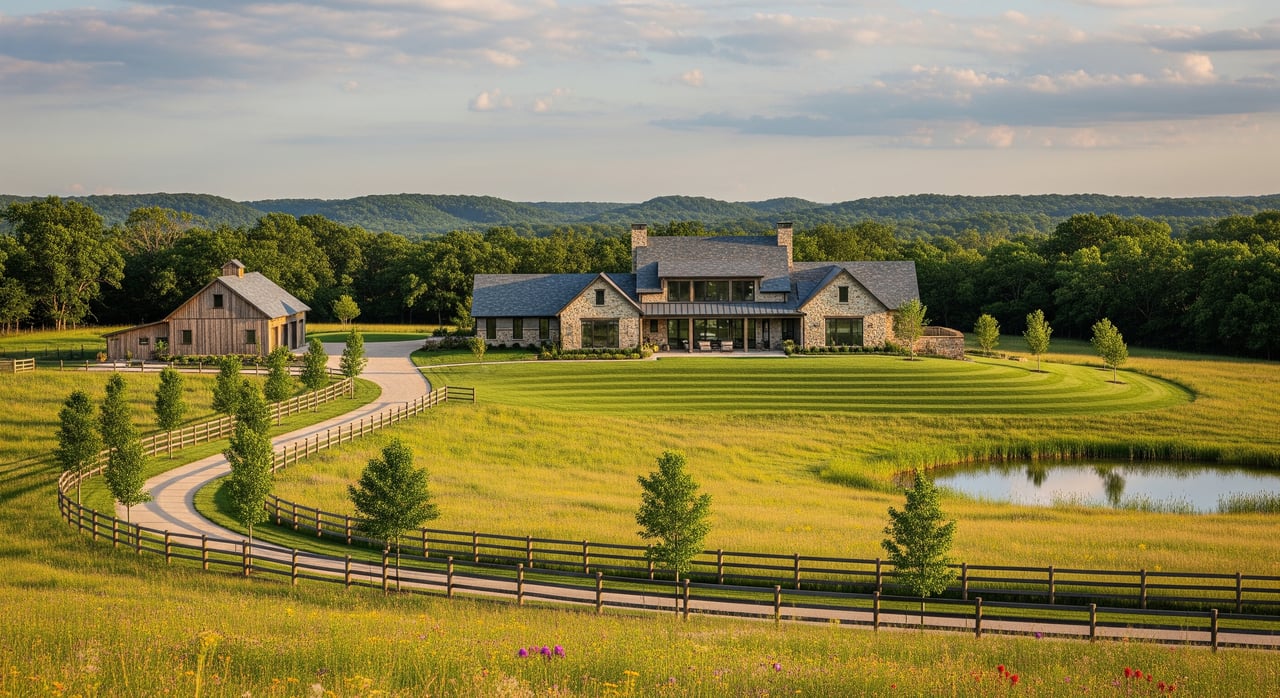
Dreaming about a few acres near Rolla where you can put up a weekend cabin, start a hobby farm, or just enjoy quiet sunsets? Buying acreage in Phelps County is exciting, but it is not the same as buying a home in town. There are more moving parts, from access and utilities to soils and financing. This guide shows you how to evaluate land in 65401 and greater Phelps County and move from first look to a confident closing. Let’s dive in.
Why buy acreage in Phelps County
Phelps County blends open pasture, wooded tracts, and properties near public recreation. Many buyers choose the area for weekend retreats, small-scale agriculture, or rural living within reach of Rolla. If outdoor recreation matters to you, review hunting and habitat guidance from the Missouri Department of Conservation as you plan how you will use the land.
Define your acreage goals
Before you search, get clear on what you need and what you can live without.
- Intended use: primary home, weekend place, hobby farm, or investment
- Minimum acres and preferred mix: pasture, timber, or both
- Location: commute time to Rolla, paved vs. gravel road, privacy level
- Site features: water, springs, flat build sites, existing improvements
- Budget and timeline: cash or financing, target closing date
A crisp wish list helps you sort listings quickly and focus your due diligence.
Know the rules and who to call
Rural Missouri often has minimal zoning, but permits and rules still apply. In Phelps County, you will likely interact with:
- Phelps County Recorder of Deeds for plats, deeds, and easements
- Phelps County Assessor for parcel boundaries used for tax assessment and tax history
- Phelps County Public Works or Road and Bridge for county road status and access permits
- Phelps County Health Department for on-site sewage and well permitting guidance
- County Planning and Zoning or County Commission for setbacks, building permit questions, and floodplain overlays
- Local utility providers for electric, propane, and internet
Always confirm current requirements with the appropriate office before you commit to a plan.
Due diligence checklist for 65401 parcels
Use this section to structure your inspections and records review. A land‑experienced agent, title company, and surveyor can help you verify each item.
Access and roads
Confirm how you reach the parcel in every season. Verify whether access is by public road frontage, a deeded easement, or something informal that may not hold up. Ask if a road is county maintained or private, and whether there is a recorded road maintenance agreement.
- Review the deed, recorded plats, and any easements with the Recorder of Deeds.
- Call Public Works or Road and Bridge to confirm county maintenance status.
- Watch for gated or seasonal roads that limit year-round access.
Title, easements, and restrictions
Order a professional title search to uncover mortgages, liens, covenants, easements, mineral reservations, and rights-of-way. Easements can affect building locations, access, and tree removal. Consider title insurance for protection.
- Ask about utility, pipeline, railroad, conservation, and access easements.
- Verify whether mineral, timber, or hunting rights are included or have been severed.
Survey and boundaries
A new boundary survey helps prevent neighbor disputes and confirms your building envelope. Older acreage descriptions can be imprecise, and tax parcel maps are not a substitute for a survey.
- Decide with the seller who orders and pays for the survey.
- If you are financing, your lender may want an ALTA/NSPS survey.
Utilities and services
Evaluate what is on site and what it will cost to add what you need. For electricity, confirm the provider and the cost to extend lines if needed. Ameren Missouri serves many central Missouri areas; confirm coverage and process with Ameren Missouri.
- Water: many rural tracts rely on private wells. Check depth and quality if a well exists. Review permitting with the Missouri Department of Natural Resources.
- Sewage: septic systems require permits and suitable soils. Start with the county health department for records and approvals.
- Internet and cell: service varies widely. Check the FCC Broadband Map to see providers and reported speeds near your parcel.
- Fuel: many rural owners use propane. Verify delivery options and tank ownership.
- Safety: always locate underground lines before digging through Missouri One Call 811.
Soils, slope, and buildability
Soil type, slope, and bedrock affect septic feasibility, foundations, and driveway costs. Review soil data using the NRCS Web Soil Survey and confirm on site with local professionals.
- Consider how drainage, rockiness, and tree cover will impact grading.
- Plan your home site, driveway, and outbuildings around the best soils.
Floodplain and environmental issues
Flood zones affect insurance costs and where you can build. Check the FEMA Flood Map Service Center for flood risk. If you suspect wetlands or environmental concerns, consult the Missouri Department of Natural Resources and consider additional reviews.
- If part of the tract sits in a flood zone, confirm local building requirements.
- Ask about known contamination if industrial or commercial sites are nearby.
Water features and springs
Streams and springs are attractive features, but they may involve use and maintenance considerations. If you plan to draw water, confirm any state or local restrictions with county or state contacts.
Taxes, assessments, and districts
Request the current tax amount and tax history. Ask whether the property sits in any special taxing districts. Confirm the property use classification and whether a change of use would affect your taxes.
Building codes, permits, and setbacks
Rules vary inside city limits versus unincorporated areas. Confirm setbacks, building permit needs, driveway permits, and septic and well approval steps with the appropriate offices before you design or build.
Conservation easements, HOA, and CC&Rs
Some parcels have conservation easements that limit subdivision, timber harvest, or building. A subdivision or private road may have an HOA with covenants, fees, and maintenance responsibilities. Always request and read these documents.
Hunting, timber, and agricultural use
If you intend to hunt, farm, or run livestock, verify permissions and any existing leases. For hunting seasons and safety, consult the Missouri Department of Conservation.
Mineral rights and surface protections
Mineral rights can be separate from surface rights. If mineral rights are severed, the mineral owner may have certain access rights that affect surface use. Confirm this in the title work and seek legal guidance for complex situations.
Seasonal access and climate
Plan for winter ice, spring mud, and wildfire risk in wooded areas. Access that seems simple in summer can be different in January.
How to finance acreage around Rolla
Financing raw or lightly improved land is different from a standard 30-year mortgage. Lenders often require larger down payments and shorter terms.
- Conventional land or portfolio loans: local banks and credit unions often finance land with stricter underwriting for raw tracts.
- Lot or land loans for building: designed for parcels you will build on, sometimes rolled into construction financing.
- Construction-to-permanent loans: finance the build and convert to a permanent mortgage when complete.
- USDA Rural Development for homes: some single-family homes in eligible rural areas can qualify as a primary residence. Raw land alone is generally not eligible. Review programs and eligibility at USDA Rural Development.
- Farm buyers: beginning or family farmers can explore ownership programs with the USDA Farm Service Agency.
- Seller financing or private lending: flexible but requires careful documentation.
What to expect:
- Down payments for raw land are commonly 20 to 50 percent, depending on the parcel and your profile.
- Rates are usually higher and terms shorter than a traditional home mortgage.
- Lenders often require an appraisal, title insurance, and a recent boundary or ALTA/NSPS survey.
- Parcels that are buildable or income producing are easier to finance than tracts with heavy restrictions or environmental constraints.
Your step-by-step path to closing
Follow this roadmap to stay organized and reduce surprises.
- Clarify your use, acreage, location, and must-haves.
- Speak with land-savvy lenders to confirm down payment and terms.
- Hire a land-experienced real estate agent who knows Phelps County.
- Write an offer with contingencies for title, survey, financing, and septic and well feasibility.
- Order a title search and request a preliminary title commitment.
- Arrange a boundary or ALTA/NSPS survey, including staking if needed.
- Complete feasibility studies: soils and septic evaluation, well inspection or water testing, floodplain review, and any timber or environmental checks.
- Confirm utilities and permits: electric service, broadband options, driveway access, and any county approvals.
- Finalize financing with your lender using the survey, appraisal, and title commitment.
- Close and record: file the deed, confirm any road maintenance agreements, and keep septic and well permits on file. Secure building permits before starting construction.
Common pitfalls to avoid
- Relying on tax parcel maps for boundaries instead of a survey.
- Assuming an old well or septic still meets current standards without testing.
- Overlooking easements or private road maintenance responsibilities that add cost.
- Ignoring mineral rights and whether they are included with the surface estate.
- Skipping broadband and cell coverage checks when remote work is important.
- Waiting too long to meet lender requirements for surveys, appraisals, and title work.
Timeline and costs to expect
Buying acreage often takes longer than buying an existing home. Surveys, septic and well evaluations, lender reviews, and easement research add time. Build extra room into your closing timeline so inspectors and agencies can complete their work without rushing. A clear plan and early coordination with your agent and lender will keep things moving.
Partner with a local land team
A good acreage purchase comes down to verifying access, confirming buildability, and choosing the right financing. You do not have to navigate that alone. If you are exploring acreage in 65401 or anywhere in Phelps County, the team at HD Real Estate helps you line up surveys and feasibility checks, coordinate with lenders, and negotiate clean terms so you can close with confidence.
FAQs
Can I get a mortgage on raw acreage near Rolla?
- Sometimes. Lenders and parcel features determine feasibility, and down payments for raw land are often higher than for homes. Explore land loans, construction-to-permanent loans, and programs like USDA Rural Development for primary residences in eligible areas.
How do I verify legal road access to a parcel in Phelps County?
- Check the recorded deed and plat for frontage or easements, ask Public Works if a road is county maintained, and consider a survey to confirm where access lies on the ground.
Will my lot allow a septic system and well in 65401?
- It depends on soils, slope, and county health rules. Start with a soils review using the NRCS Web Soil Survey, then obtain a septic evaluation and confirm well permitting with the county and the Missouri Department of Natural Resources.
What should I know about mineral rights when buying acreage?
- Mineral rights can be severed from surface rights in Missouri. A title search should confirm what is included, and severed minerals may carry rights that affect surface use. Seek legal guidance for complex cases.
Why do acreage purchases take longer than buying a house in town?
- Surveys, septic and well evaluations, floodplain checks, appraisals, and clearing title exceptions add steps. Lender requirements for land loans can also extend the timeline.
Who typically pays for the survey and easement research on land deals?
- It is negotiable. Buyers often pay for any survey required by their lender, while both parties work to clear title exceptions and document easements during the contract period.