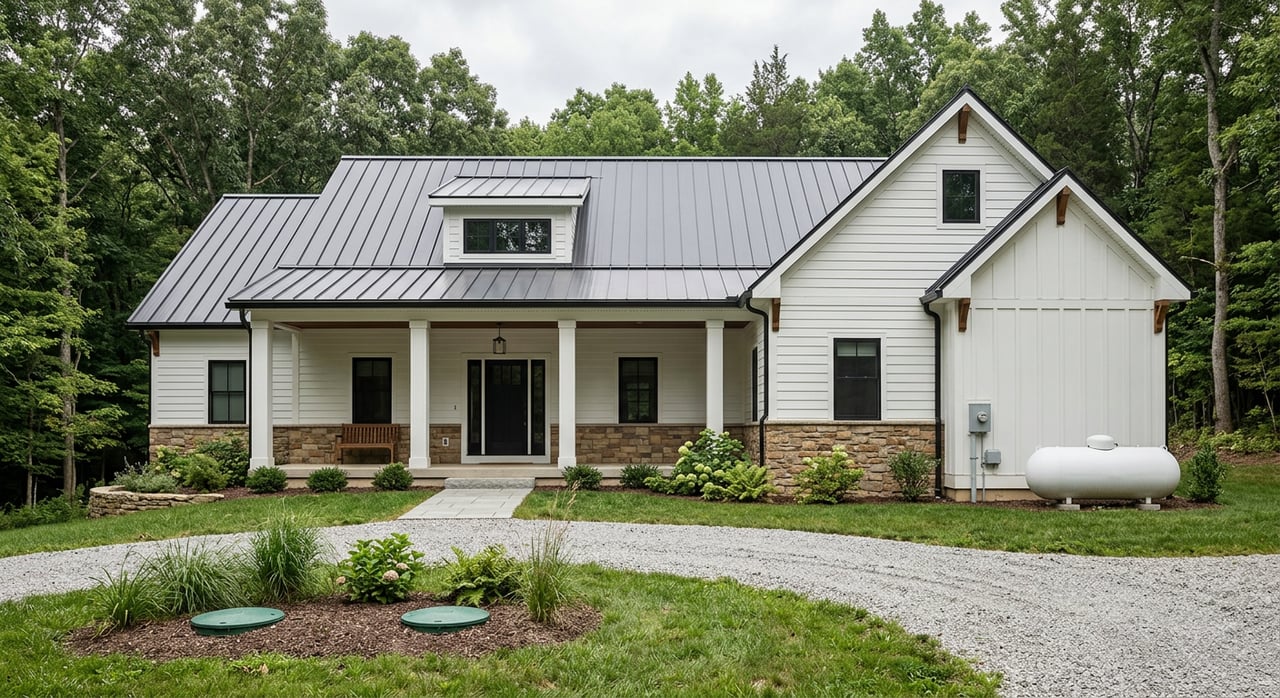
Thinking about a home with a little elbow room near Dixon? In rural Maries County, the well, septic, propane tank, and electric co‑op matter as much as the house itself. You want safe water, reliable wastewater treatment, and clear utility costs that will also satisfy your lender. In this guide, you’ll learn who regulates these systems, how to inspect and test them, typical lifespans and costs, and what to expect during financing and negotiations. Let’s dive in.
Who regulates rural systems here
Understanding who oversees wells and septic helps you find records and plan repairs.
State and local oversight
- The Missouri Department of Health & Senior Services sets onsite wastewater (septic) standards and works through county health offices on permits and inspections. Review the state’s FAQ for how permits and inspections typically work in Missouri at the DHSS onsite wastewater page.
- The Missouri Department of Natural Resources regulates well construction standards and some wastewater matters for larger or specialized systems. Check DNR guidance on wastewater programs and where permitting fits for different system types at the DNR wastewater and septic systems page.
Practical step: Before you write an offer, ask the seller for any well logs, recent water tests, septic permits, installation records, and pumping receipts. Then call the local health office and DNR well records to confirm what is on file.
Private wells: what to check
A solid well delivers safe drinking water and enough flow for daily life. Lenders will look for both.
Lender expectations for wells
- FHA typically expects an ongoing, sufficient supply of safe potable water. For existing properties, appraisers and lenders often look for a minimum sustained flow and current lab results. See FHA’s policy in the HUD Single Family Housing Handbook 4000.1.
- VA requires potable water and sanitary sewage disposal. VA also notes water test results are usually valid for 90 days and that shared wells need a maintenance agreement. Details are in the VA Minimum Property Requirements.
- USDA Rural Development loans require evidence that on‑site water and wastewater systems are reliable for the life of the loan. See the RD Single Family handbook summary of property standards in USDA Chapter 5.
Tip: Share lab results and any pump or pressure data up front. That can prevent last‑minute underwriting delays.
Well inspection and testing checklist
- Ask the seller for the well log, pump service records, and the most recent lab results for bacteria and nitrate.
- Hire a licensed well contractor to check static water level, pump operation, drawdown, flow in gallons per minute, and pressure tank function.
- Order an independent lab test for coliform and E. coli bacteria and nitrate at minimum. The EPA recommends annual testing and additional tests after repairs, flooding, or changes in taste or odor. Review owner guidance at the EPA Private Wells page.
- If the well is shared, verify there is a written maintenance and access agreement. Many lenders require it.
Lifespan and repair costs
- Submersible pumps commonly last 8 to 15 years. Pressure tanks often last 10 to 20 years. A pump replacement with labor and materials often ranges from about 1,200 to 4,000 dollars depending on depth and access. See typical ranges in industry overviews like QualityWaterLab’s guide.
- A new drilled household well can range from a few thousand dollars to 10,000 to 20,000 dollars in more complex conditions. Depth, rock, and access drive costs.
How wells affect offers and closings
If a required water test fails or the well does not meet lender expectations for yield, the lender may require repairs or pause the loan until the issue is resolved. Sellers who provide current third‑party lab results and pump records usually see smoother appraisals and fewer delays. Be ready to negotiate repairs, a credit, or an escrow holdback if results fall short of program requirements outlined in HUD 4000.1 or other lender guidance.
Septic systems: what to know
A healthy septic system quietly handles wastewater without backups or surface seepage. You want documentation and a hands‑on inspection.
Permits and records
Missouri DHSS administers onsite wastewater rules, and county health departments typically issue permits and perform inspections for single‑family systems. A construction permit is commonly required for new systems and many repairs. You can review state program basics in the DHSS onsite wastewater FAQs and confirm local records with the county office.
Septic inspection steps
- Request the design or permit, installer name, installation date, recent pump‑out receipts, and any repair invoices.
- Hire a qualified septic inspector to locate the tank, open access lids, measure scum and sludge where applicable, verify baffles or the effluent filter, and walk the drainfield to look for wet spots or odors. A pump and inspect is often added to the general home inspection. For homeowner system basics and soil considerations, see the University of Missouri Extension’s EQ401 guide.
Lifespan and replacement costs
- Concrete or poly tanks can last 20 to 40 years or more with regular care. Drainfields may fail sooner, especially in heavier clay soils or when overloaded. Pumping every 3 to 5 years is a common way to extend drainfield life. See guidance in the MU Extension EQ401.
- Replacement costs vary by system type and site conditions. Conventional gravity systems in favorable soils often run 8,000 to 15,000 dollars. Complex sites, mounds, or aerobic treatment units can exceed 20,000 dollars. Routine pumping usually costs a few hundred dollars.
How septic issues affect a sale
A failing system is a material issue and typically must be repaired to meet local health codes. FHA, VA, and USDA require sanitary, functioning sewage disposal. Appraisers or underwriters may call for repairs before closing, so plan your timeline and budget accordingly. See FHA expectations in the HUD 4000.1 handbook.
Propane tanks: ownership and safety
Many rural homes use propane for heat, cooking, or water heating. Ownership and documentation are key.
What to ask
- Is the propane tank owned or leased? A leased tank usually needs a transfer or a vendor changeover process. An owned tank often conveys with the property, but verify condition and any documentation.
- Ask for inspection records, tank size and location, and any relevant clearances. Missouri statutes reference state oversight and safety programs. For context on the state’s authority, see the Missouri petroleum and propane statute.
Impact on closing
Leased tanks can affect timing and costs if you need to assume or end a contract. Owned tanks are typically included with the sale. Get the vendor contact and any lease documents during the inspection period to avoid surprises after closing.
Rural electric: co‑op service and fees
Parts of Dixon and Maries County are served by Gascosage Electric Cooperative, based in Dixon.
What to confirm with the co‑op
- Whether the property is in the co‑op’s service territory and how membership works
- Meter and transformer locations, any underground lines, and whether line‑extension or make‑ready fees apply for new buildings or upgrades
- Account transfer steps, outage response information, and any net‑metering or distributed generation rules if you plan to add solar
Start your utility due diligence on the Gascosage Electric Cooperative site.
Buyer checklist for Dixon rural homes
Use this quick plan before and after you write an offer.
Pre‑offer requests
- Well: well log, pump service records, recent lab results for bacteria and nitrate
- Septic: permit and design, installer name, install date, latest pumping receipts, repair invoices
- Propane: proof of ownership or lease and vendor contact
- Electric: confirm co‑op service and account transfer steps
Inspection and loan contingencies
- Licensed well inspection with documented flow and pressure plus independent lab water test
- Full septic inspection, ideally pump and inspect
- Clear documentation of propane tank ownership or lease terms
- If using FHA, VA, or USDA financing, confirm any additional water or wastewater requirements early. See FHA in HUD 4000.1, VA in the MPRs, and USDA in Chapter 5.
Negotiation tips
- If testing or inspections reveal issues, common solutions include seller‑paid repairs before closing, a price reduction, or a repair credit.
- For loans that require completed repairs, consider an escrowed repair agreement if allowed, or be prepared to adjust terms.
Work with a local team
Rural systems do not have to be a mystery. With the right records, the right inspections, and a clear plan for your loan, you can close with confidence. If you want a step‑by‑step checklist and help coordinating local inspectors and utility contacts, reach out to HD Real Estate. Our team combines local knowledge with hands‑on guidance so you can move from offer to keys without surprises.
FAQs
What should I test in a private well before buying in Maries County?
- At minimum, order bacteria and nitrate testing, plus a licensed well inspection for flow, pressure, and pump performance. The EPA recommends annual testing and retesting after repairs or flooding.
How do FHA, VA, and USDA loans handle rural wells and septic?
- These programs require safe potable water and sanitary sewage disposal. Expect recent lab results, verified well yield, and functioning septic. See HUD 4000.1, VA MPRs, and USDA Chapter 5.
How often should a septic tank be pumped for a rural Missouri home?
- Many systems benefit from pumping every 3 to 5 years to protect the drainfield. For Missouri‑specific guidance, see the MU Extension EQ401.
What does a new well or pump replacement typically cost?
- Pump replacements often range from about 1,200 to 4,000 dollars depending on depth and access, and pumps commonly last 8 to 15 years. See ranges in QualityWaterLab’s overview.
Who provides rural electric service around Dixon in Maries County?
- Parts of the area are served by Gascosage Electric Cooperative. Confirm service territory, account transfer steps, and any line‑extension fees at the Gascosage site.