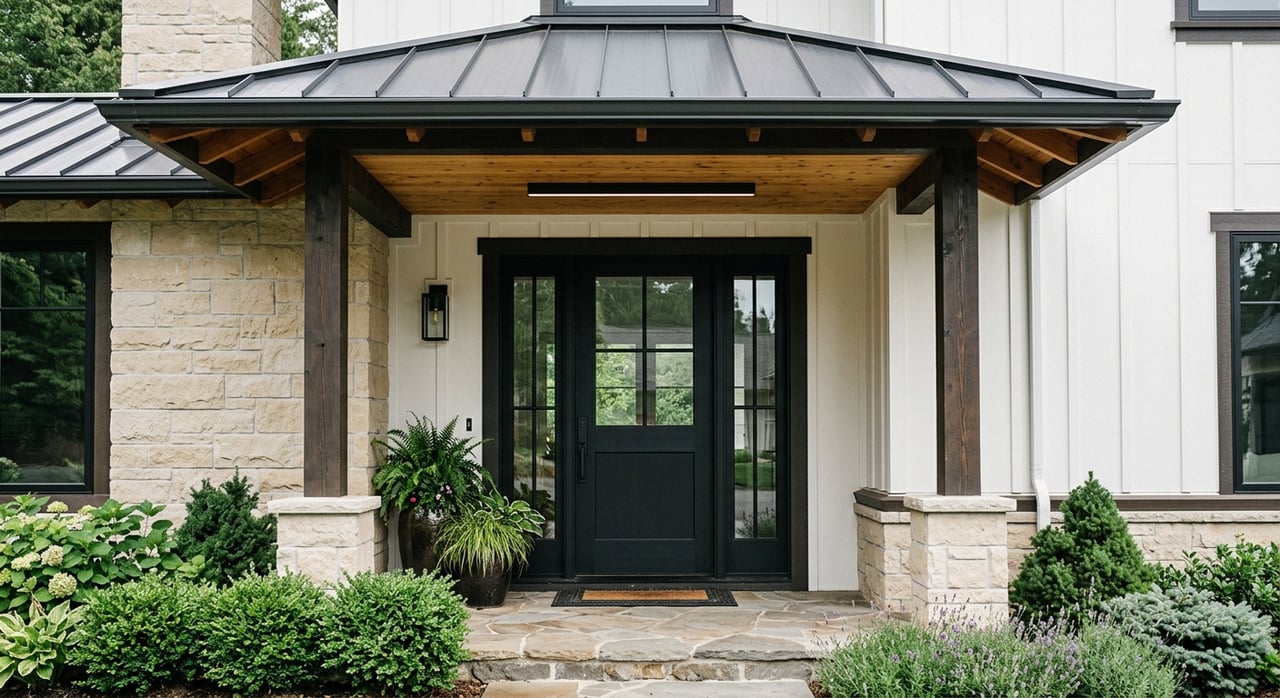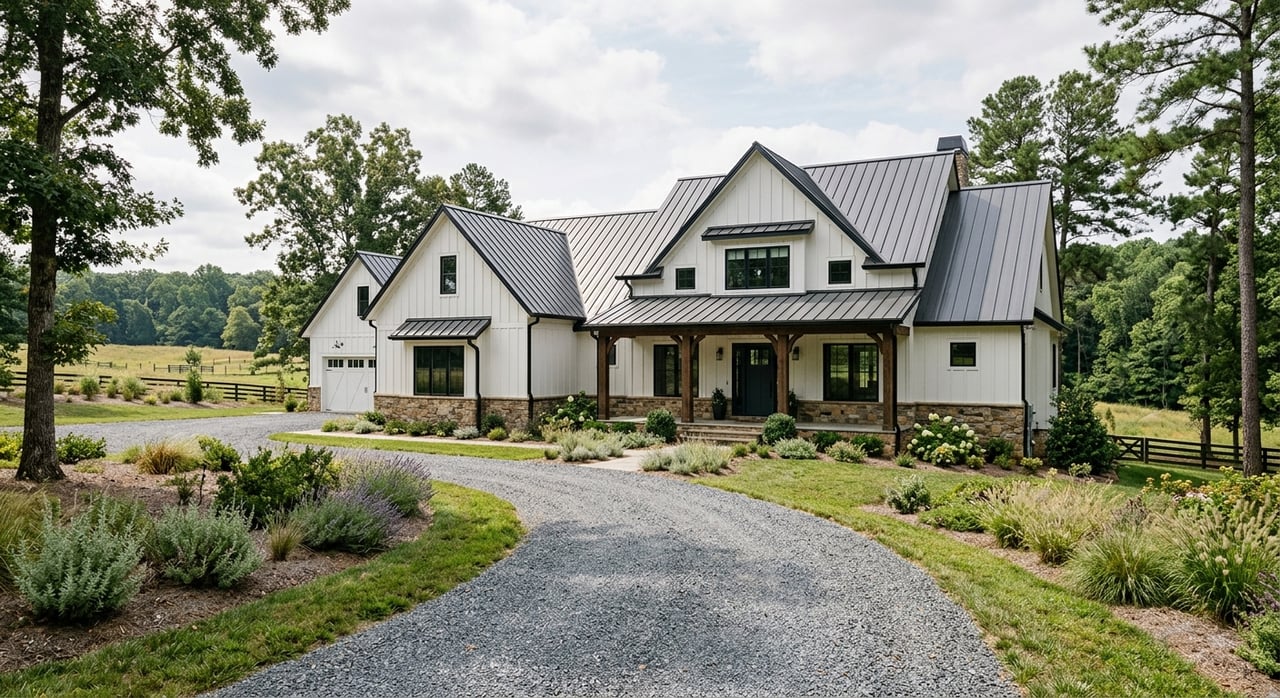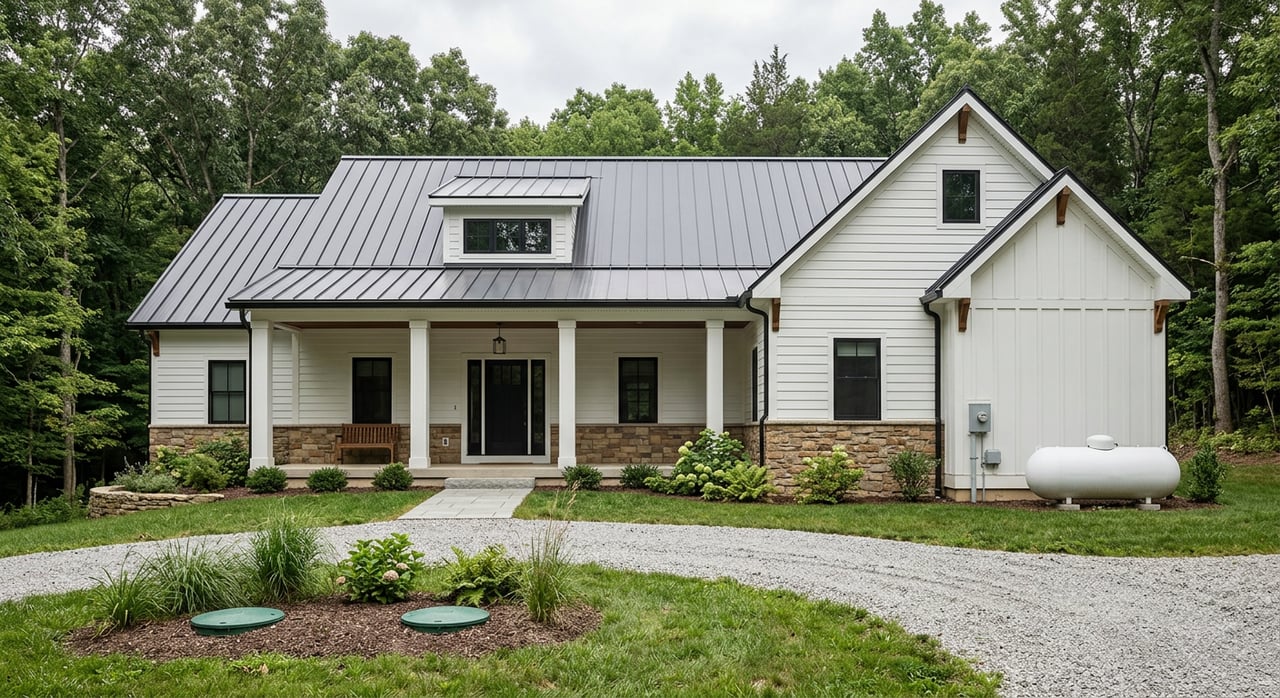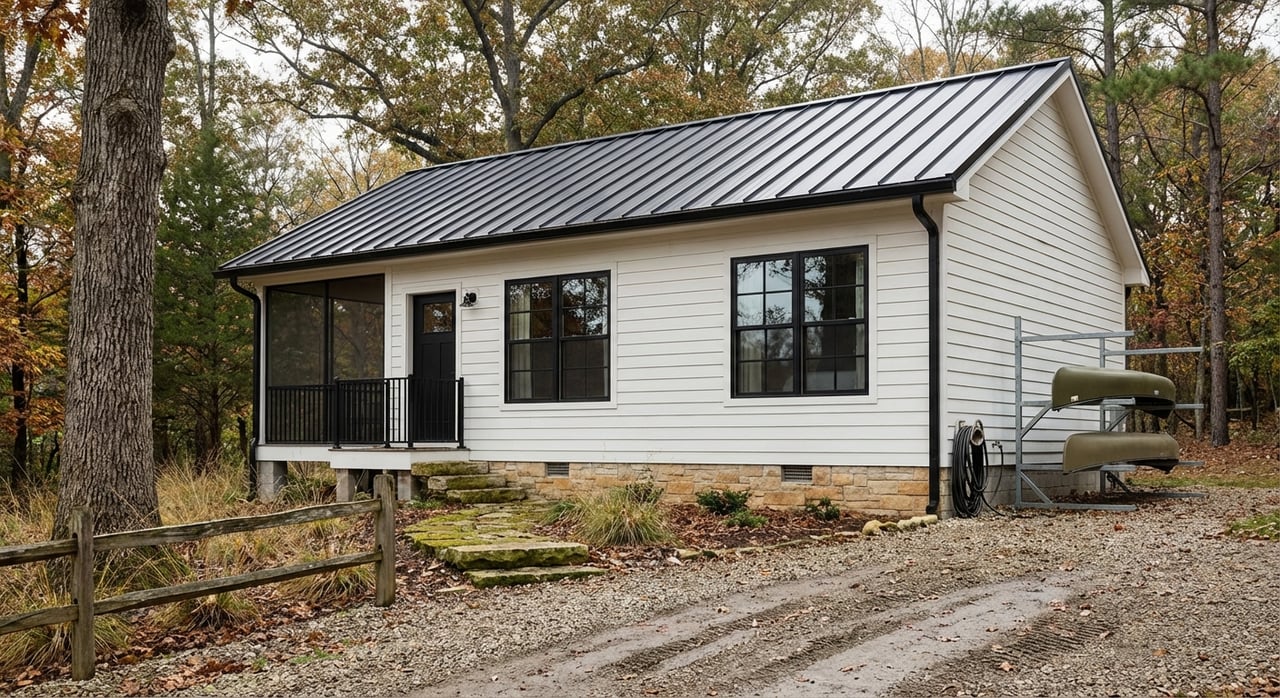
You can leave St. Louis after work and be sipping coffee on a quiet porch in about an hour. If a simple, low‑stress weekend base is your goal, the Cuba area in Crawford County offers a mix of lake cabins, riverfront hideaways, and small recreational tracts that fit a range of budgets. In this guide, you’ll learn where to look, what different property types really cost, how to confirm river access, and which flood, road, and utility checks to handle before you buy. Let’s dive in.
Why Cuba works for weekends
Cuba sits in the Meramec River region with quick access off I‑44 and Highway 19, so your Friday drive is usually about one to one and a half hours from much of the St. Louis area. The area’s rivers and conservation lands make it a favorite for paddling, fishing, and trail time. Local public pages confirm Cuba’s place in this outdoor corridor and its easy highway reach for weekenders.
County‑level market data shows Crawford County’s typical home values well below large metro averages, and weekend properties here reflect that. Small cabins and older or off‑grid spots often start in the low $100s. Renovated lake or river cabins commonly sit in the mid‑$200s to $400s. Larger tracts or turnkey riverfront lodges with acreage can reach the $500k to $1M range. Your final price depends on finish level, waterfront, road type, and whether utilities are already set up.
Property types near Cuba
Lake‑community cabins
You’ll find plotted lots around small private lakes, sometimes in gated or covenant‑managed communities. These appeal if you want a short turn‑key stay with shared amenities and routine road care. Recent examples in similar lake neighborhoods around Cuba have ranged roughly from $125k to $350k depending on size, condition, and proximity to the water. Always review HOA rules for rentals, docks, short‑term stays, and exterior standards before you offer.
Meramec riverfront and near‑river cabins
River properties vary widely. Modest cabins on a few acres can appear in the low‑to‑mid $100s to around $250k. Finished riverfront homes with several acres often list from the mid‑$200s up to the $600s. Larger retreats with long stretches of Meramec frontage can land in the $1M range. The tradeoffs include flood risk, seasonal access on low‑water roads, and how close you truly are to a legal put‑in.
Recreational tracts with a basic cabin
If you value privacy, hunting, or hiking over a polished interior, consider timbered acreage with a simple hunting or camping cabin. These are priced by the acre, and some include seasonal creeks or even short river stretches. You trade convenience for elbow room, so expect gravel access, off‑grid utilities, and a little more planning around water, wastewater, and heat.
Turnkey short‑term rental plays
The Cuba area also has renovated log homes and cabins that operate as short‑term rentals. These can carry higher price tags due to income potential, guest‑ready finishes, and established reviews. If you plan to rent part‑time, confirm any HOA rules, county or city requirements, and the impact of flood maps and insurance on operating costs.
Rivers, lakes, and public access
Popular put‑ins and day trips
The Meramec is the region’s headliner for paddling, tubing, and fishing. For a simple start, look at the river access and on‑site ramp at Onondaga Cave State Park. If you want a clear‑water creek float, the Huzzah and Courtois are local favorites; the Huzzah Conservation Area offers public access and planning details. For route ideas and safety notes, browse the St. Louis Canoe & Kayak Club trip library.
Know the rules on river access
Floating rights on Missouri streams do not always include the right to cross or linger on private banks. Legal public use depends on whether a stream is considered public and where you launch or take out. To avoid problems, use designated public ramps, state parks, conservation areas, or outfitters with permission. For a plain‑English overview, read the American Whitewater navigability primer.
Seasonal flows and crowd levels
Spring rains can raise river levels and change hazards quickly. Prime summer weekends on the Huzzah and Courtois tend to be busy, so many paddlers pick weekdays or shoulder seasons for quieter water. Local angling groups keep practical notes on flows and safety; one example is the Ozarks Smallmouth Alliance’s seasonal guidance.
Seasonal risks: floodplain, roads, and access
Flood zones and insurance
If your cabin sits in a Special Flood Hazard Area, lenders will require flood insurance. Even outside high‑risk zones, floods can and do occur, so many river buyers still secure a policy. Start early by checking the parcel on FEMA’s Map Service Center and then review basics on FloodSmart’s zone guide.
A real‑world example near Cuba
Onondaga Cave State Park sits along the Meramec and documents that a quick 6 to 12 inches of flash flood can block campground entrances and low‑water roads. Park managers sometimes gate secondary accesses or cancel reservations when the river reaches certain stages. That same setup exists on many private river corridors. Read the park’s flooding FAQ to see how river levels can impact access and timing.
Gravel roads and winter care
Many rural lanes near the river are county or private gravel roads. Low‑water crossings may be impassable after storms, and winter conditions can be tougher than in town. Confirm who maintains the road, how snow removal works, and whether any private road association collects dues. For county contacts and road and bridge details, use the Missouri Association of Counties’ Crawford County page.
Utilities and permitting basics
Water wells
Most rural cabins rely on private wells. Ask for the well log, depth, casing details, and recent water tests. Missouri regulates well construction and licensed drillers. Review standards and find driller records through the Department of Natural Resources’ well construction and driller page.
Septic systems
Onsite wastewater systems must meet state standards. A typical install or replacement involves a soil and site evaluation, a system design, a construction permit, and an inspection. Older systems deserve a professional inspection and, if needed, a dye test. For clear guidance, use the Department of Health and Senior Services’ onsite wastewater resources.
Power, propane, and off‑grid
Cabins often combine grid electric with propane for heat and cooking. Off‑grid cabins need a plan for solar or generators, and you should confirm local pump‑out service if a holding tank is in place. Restricted soils may require advanced treatment or mound systems. Line up installer quotes early to compare costs and timelines.
Local permits and floodplain rules
If your lot is inside Cuba city limits or in the county, call the local office before you build, add a drive, or place a culvert. Ask who the floodplain administrator is and whether any elevation or mitigation is needed for new work near the river. Start with the Crawford County contact listing for the right departments.
A practical due diligence checklist
Use this list to keep your weekend‑cabin search on track:
- Access and easements. Confirm whether the driveway is county‑maintained or private. Ask for any recorded road agreements or gates and verify them with the recorder’s office. Start with county contacts listed on the Crawford County page.
- Flood zone check. Run the parcel through FEMA’s Map Service Center. If it is in a Special Flood Hazard Area, talk with your lender and an insurance agent early, and review basics on FloodSmart.
- Septic and well records. Request well logs and recent water tests. For new wells, confirm permitted drillers and standards at the DNR’s wells and drilling page. For septic, review DHSS onsite wastewater guidance and plan an inspection.
- Title, HOA, and river rights. Have your title company verify riparian language, any public access or utility easements, and HOA covenants if you are in a lake community.
- Survey and shoreline. On riverfront lots, confirm boundaries and ask about recent erosion or bank stabilization. A current survey helps clarify buildable area.
- Roads and seasons. Ask the seller how often water covers the road and how winter access works. The Onondaga flooding FAQ is a useful example of short‑term closures after storms.
- Taxes and permits. Call the county assessor and collector for current tax data and the county office for any building or floodplain permit history. Use the Crawford County contact list to find the right office.
- Insurance and financing. Expect a lender‑ordered flood determination on river‑adjacent homes. Get pre‑approved early and budget for flood insurance if required.
Where to start on the ground
Plan one trip for river scouting and a second for practical checks. For a fun first pass, paddle from the ramp at Onondaga Cave State Park or explore the Huzzah Conservation Area. Then, return with a focus on access roads, nearby ramps, cellular coverage, and utility logistics. If river time is central to your plans, keep the St. Louis Canoe & Kayak Club trip library handy for route and safety ideas.
When you are ready to narrow choices, lean on local market knowledge. A team that works both residential and land deals in Mid‑Missouri can help you weigh price, road type, flood exposure, and utility tradeoffs so your weekend base is easy to own, not just pretty in photos.
Ready to tour cabins or river tracts around Cuba? Let’s set up a search, line up showings, and get your questions answered fast. Connect with HD Real Estate to start your weekend‑cabin hunt with a local, full‑service team.
FAQs
How long is the drive from St. Louis to Cuba, MO?
- Many buyers report about a 1 to 1.5 hour drive via I‑44 and Highway 19, depending on your exact starting point and traffic.
What is a realistic budget for a weekend cabin near Cuba?
- Small or older cabins can start in the low $100s, renovated lake or river cabins often run mid‑$200s to $400s, and larger riverfront retreats with acreage can reach $500k to $1M.
How do I check if a riverfront cabin sits in a flood zone?
- Search the parcel on FEMA’s Map Service Center and review flood insurance basics on FloodSmart, then discuss lender requirements and premiums before you offer.
Can I launch a kayak from any part of the Meramec River?
- Not necessarily; use public ramps, parks, or conservation areas. Floating rights do not always include bank access across private land without permission.
What utilities are typical for rural cabins in Crawford County?
- Most use private wells, onsite septic, grid power where available, and propane for heat and cooking. Off‑grid spots may rely on solar or generators and special septic designs.